
The Hidden Danger in Your Walls
How can faulty wiring cause fires is a critical question for every homeowner. Faulty wiring typically causes fires through three mechanisms:
- Electrical Arcing – Damaged or loose connections create sparks hot enough to ignite nearby materials.
- Overheating – Overloaded circuits or old insulation generate excessive heat behind your walls.
- Short Circuits – Current taking an unintended path creates intense, instantaneous heat.
According to the U.S. Fire Administration and the National Fire Protection Association, electrical issues are responsible for tens of thousands of home fires annually, leading to hundreds of deaths and over a billion dollars in property damage.
These aren’t just statistics—they represent real families in communities like Beech Grove, Franklin, Whiteland, Southport, and Mooresville. The risk can be higher in older homes with aging wiring, older panels, or past DIY modifications that aren’t aligned with today’s electrical demands.
The problem often goes unnoticed. Electrical fires often start in hidden spaces like walls, attics, and crawl spaces, making early warning signs easy to miss. Unlike a visible kitchen fire, these hidden hazards create dangers you can’t see until it’s too late. A charred outlet, flickering light, or burning smell isn’t a minor annoyance—it’s an urgent warning.
I’m Clay Hamilton, President of Grounded Solutions. With over two decades of experience in central Indiana, I’ve seen the devastating impact of faulty wiring. My team is committed to helping homeowners in the Indianapolis area understand these risks and take proactive steps to protect their properties and loved ones.
The “Fire Triangle”: How Can Faulty Wiring Cause Fires?
Understanding the ‘fire triangle’ helps explain how faulty wiring causes fires: wiring provides heat, nearby materials provide fuel, and oxygen is present. Faulty wiring provides the heat, common household materials provide the fuel, and oxygen is always present. For homeowners in southern Indianapolis suburbs like Bargersville, Greenwood, and Franklin, recognizing these elements is key to prevention.
Ignition Sources: The Spark That Starts the Blaze
The journey from faulty wiring to a fire begins with an ignition source.
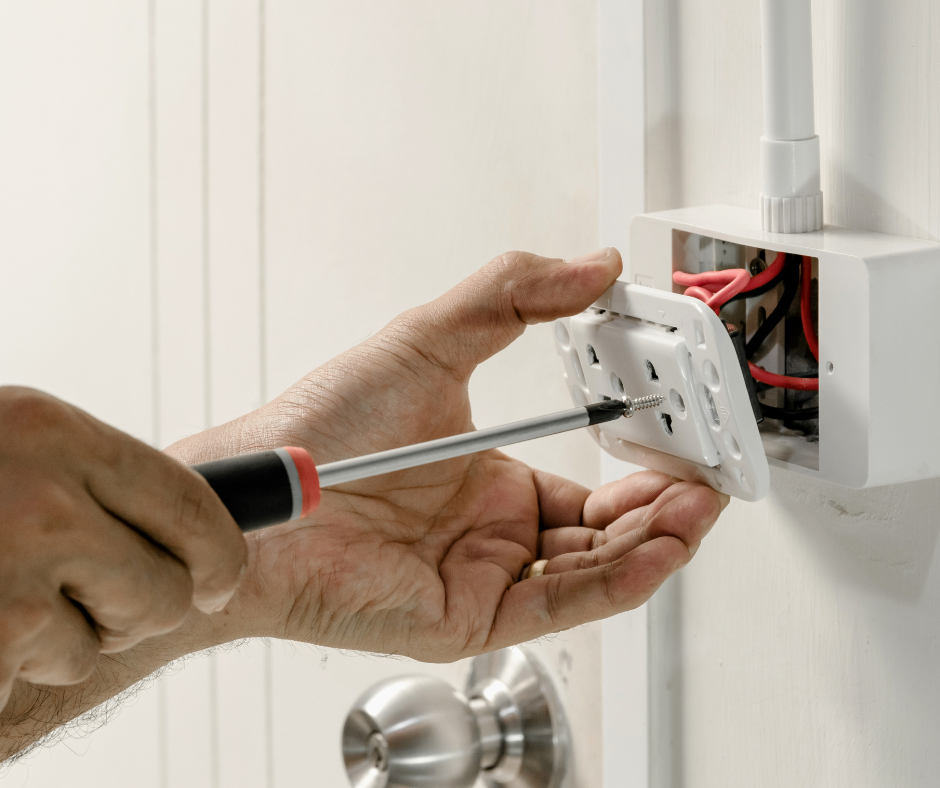
- Electrical Arcing: This occurs when electricity jumps across a gap, producing extremely high heat that can ignite nearby materials. According to the NFPA, arcing is the heat source in nearly three-quarters of home electrical fires.
- Overloaded Circuits: Drawing too much power on one circuit generates excessive heat, which can melt wire insulation and ignite surrounding materials. If your circuit breaker keeps tripping, it’s a clear warning sign of an overload.
- Short Circuits: Short circuits are one common way that faulty wiring causes fires, especially when insulation fails or conductors contact improperly.
- Damaged Insulation and Loose Connections: Brittle, cracked, or pest-damaged insulation exposes live wires. Loose connections at outlets or switches create resistance, which generates dangerous heat. Our team at Grounded Solutions frequently sees these issues escalate into major fire hazards in homes across southern Indianapolis, including communities like Beech Grove and Southport.
Common Culprits: Types of Damage That Pose a Fire Risk
Several types of damage significantly increase fire risk, especially in the older homes common throughout central Indiana.
- Outdated Wiring: Systems in homes built before 1980, common in areas like Greenwood and Plainfield, weren’t designed for modern electrical loads, leading to overheating.
- Aluminum Wiring: According to the Consumer Product Safety Commission, homes with aluminum wiring problems are up to 55 times more likely to have fire hazards due to loose connections.
- Damaged Cords and Misused Extension Cords: Frayed appliance cords and overloaded or improperly placed extension cords are major fire and shock hazards. They are not a substitute for permanent wiring.
- Pest Damage: Rodents chewing wires is a common issue that exposes live conductors, creating ideal conditions for a short circuit inside your walls.
- Faulty Outlets: Worn-out or loose outlets can overheat and arc. The USFA estimates that outlets are involved in 5,300 fires annually.
Fuel Sources: What Catches Fire?
Once a spark occurs, a fire needs fuel. In a home, fuel is everywhere.
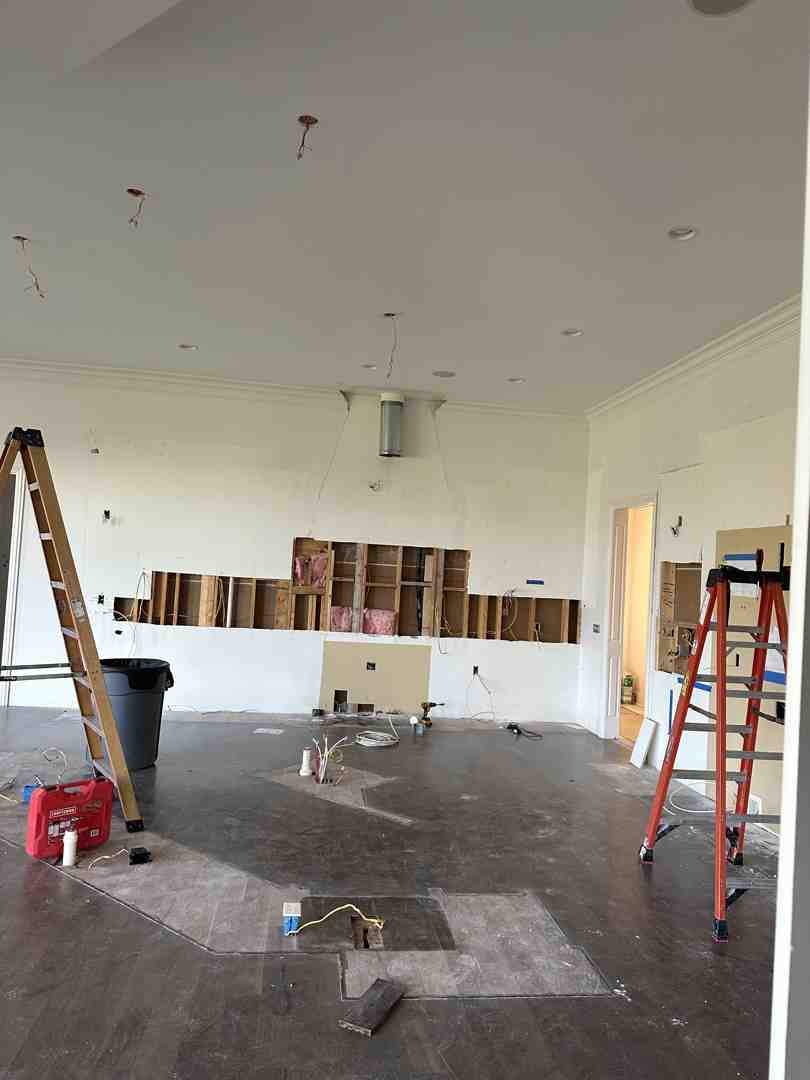
Common fuel sources near wiring include:
- Structural materials: Wood framing, insulation, and drywall.
- Stored items: Cardboard boxes, paper, and clothing.
- Household items: Curtains, carpets, and furniture.
- Wiring components: The plastic insulation on wires themselves is often the first thing to burn.
- Debris: Dust and lint accumulations can easily ignite.
The proximity of these fuels to an ignition source is what creates a fire hazard. A frayed cord under a rug or faulty wiring near wooden studs creates a perfect storm. Our electricians at Grounded Solutions always stress the importance of professional work to mitigate these risks, especially in older homes in areas like Mooresville and Martinsville.
Protecting Your Home and Family: Prevention and Professional Help
Understanding the risks is the first step; taking preventative action is the most important one. This section outlines the warning signs to look for and emphasizes why professional expertise is non-negotiable for electrical safety, particularly for homes in the southern Indianapolis suburbs we serve, such as Beech Grove and Franklin.
Warning Signs: How to Identify Bad Electrical Wiring in Your Home
You don’t need to be an electrician to spot the early indicators of electrical problems. Being observant can prevent a fire. Here’s how to spot the signs of faulty wiring:
- Flickering or dimming lights: This often indicates an overloaded circuit or loose wiring.
- Burning smells: A distinct odor of burning plastic from an outlet is an urgent warning of overheating components. Unplug everything and call a professional.
- Buzzing or sizzling sounds: Noises from outlets or switches can indicate dangerous arcing within your walls.
- Frequently tripped breakers: This is a clear sign your system is overloaded or has a serious fault.
- Hot or discolored outlets: A switch plate or outlet that is warm to the touch or shows scorch marks is dangerously overheating.
- Mild shocks: Even a slight tingle from an appliance or outlet points to a grounding issue or exposed wire that poses a shock and fire risk.
These are your home’s warning signs—don’t ignore them. You can learn more about how to identify bad electrical wiring in your home with our detailed guide.

The Dangers of DIY: Why Professional Inspection is Crucial
While it may be tempting to tackle electrical issues yourself, the stakes are too high. DIY electrical work is dangerous. Simple mistakes can lead to reversed polarity, improper grounding, or loose connections—all prime conditions for fires or severe shocks. Unpermitted or improper DIY electrical work may create safety risks and can complicate inspections or insurance coverage.
Electrical work requires adherence to complex codes that amateurs are unlikely to know. Violating these codes creates hidden fire hazards. The importance of hiring licensed and insured electricians cannot be overstated. The professionals at Grounded Solutions have the training and expertise to diagnose problems accurately and perform repairs that meet all safety standards. We understand the nuances of older electrical systems common in southern Marion and Johnson counties and how to upgrade them safely. A professional home electrical safety inspection provides peace of mind by identifying hazards before they become emergencies. Your family’s safety is not worth the risk of a DIY mistake, which is one of the key reasons you should never try DIY home electrical repair.
Your Next Steps for a Safer Home
Proactive safety is the best defense against electrical fires. Don’t wait for a warning sign to become an emergency. For homeowners in Beech Grove, Whiteland, Mooresville, and throughout the Southside, Grounded Solutions provides expert inspections and repairs to protect your family and property. Our comprehensive inspections identify hidden dangers like outdated wiring, loose connections, and overloaded circuits. We provide a transparent assessment and recommend necessary repairs to meet current safety standards.
As a family-owned, Indianapolis-based contractor, we are committed to our community’s safety. We understand the challenges of the housing stock in communities like Franklin and Whiteland, from historic homes to new builds. Our licensed and insured electricians deliver safe, high-quality residential, commercial, and EV electrical services.
If you’re asking how can faulty wiring cause fires, the safest next step is a professional inspection when warning signs appear. Take control of your home’s electrical safety.
Concerned about how faulty wiring causes fires in your home? Contact Grounded Solutions to schedule a professional inspection and safe repairs.