
As more homeowners switch to electric vehicles, charging at home becomes an important part of the conversation. While it may seem straightforward, a home EV charger installation depends on how your electrical system is set up and how much power your home can safely support. Before installing a charger, it’s important to understand your panel capacity, existing wiring, and how electricity is used throughout the home. Taking a look at these details early helps ensure a safe, reliable setup and avoids surprises later. Get expert guidance before you begin.
Level 2 or Level 3: Which Is Right for You?
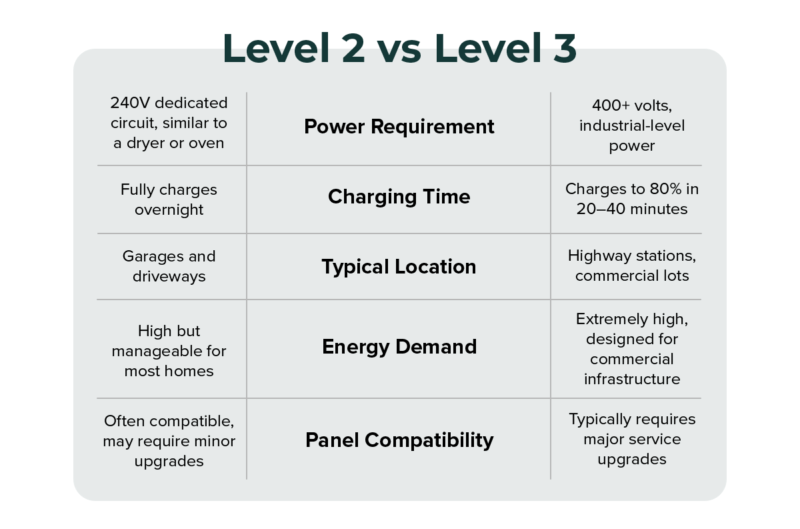
Level 2 chargers are the most common option for residential homes. For most homeowners, this provides the right balance of speed, efficiency, and practicality. Level 3 chargers, or DC Fast Chargers, provide the fastest charging speeds. However, because of high energy demand and specialized installation, they are typically installed in commercial or public settings rather than residential homes.
Electrical Capacity Comes First
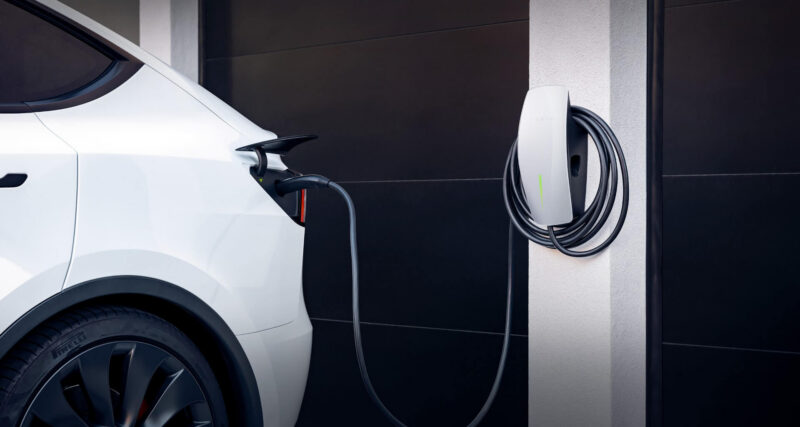
Most EV chargers require a dedicated circuit draw and significantly more power than standard outlets. In some homes, especially larger or newer ones, EV chargers are installed alongside energy storage systems to help manage that load more efficiently.
EV Partners
We’re proud to be certified installation partners with industry leaders, which means we meet strict standards for EV charger installations and manufacturer requirements.
If you’re considering a home EV charger, or simply want to understand what your home can support, we’re happy to review your setup and answer questions. Request a free quote.