

Site visit and load check
We look at your panel, your service and where you park, and plan the wire route.
Home EV charger installation usually means a 240-volt Level 2 charger in your garage, on its own circuit from your panel. It adds about 25 miles of range for every hour it’s plugged in, according to the U.S. Department of Energy, so most cars are full by morning.
For workplaces, apartments or fleets, see commercial EV charger installation. For all of our EV work, see EV charger installation services.
BEFORE YOU BUY A CHARGER
On the first visit we look at three things: how much spare capacity your panel has, whether it has room for a new 240-volt breaker, and how far your parking spot is from the panel. Those decide most of the cost.
If your panel can carry the charger as it is, we’ll tell you. If it’s close, we can often set the charger to a lower amperage so it fits. If the panel can’t carry it, we’ll quote an electrical panel upgrade and plan it around anything else you’re adding, like a Powerwall.
WHY GROUNDED SOLUTIONS

If your panel can carry the charger, we’ll say so, and nobody earns more for selling you an upgrade.

The charger install, the wiring, any panel work, and the permit each get their own line.

Qmerit certifies us for EV charger work, and Tesla certifies us to install its chargers and Powerwall batteries.

We connect the charger to your Wi-Fi, set up the app, and show you how to schedule charging for off-peak hours.
CHOOSING YOUR CHARGER
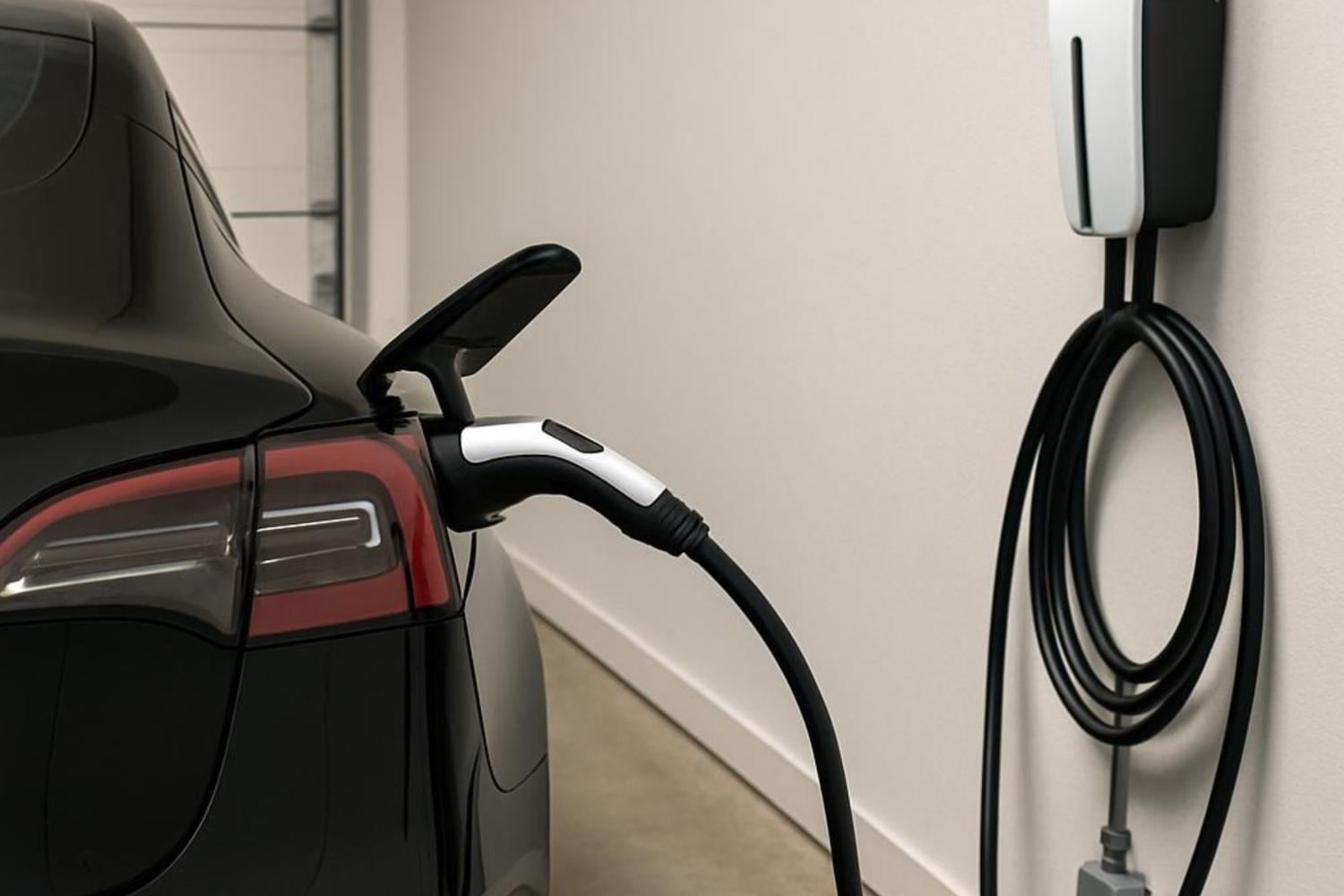
A Level 2 charger runs on a dedicated 240-volt circuit and adds about 25 miles of range per hour. Level 1, a standard outlet, adds about 5 miles of range per hour and can work for a plug-in hybrid or a short commute.
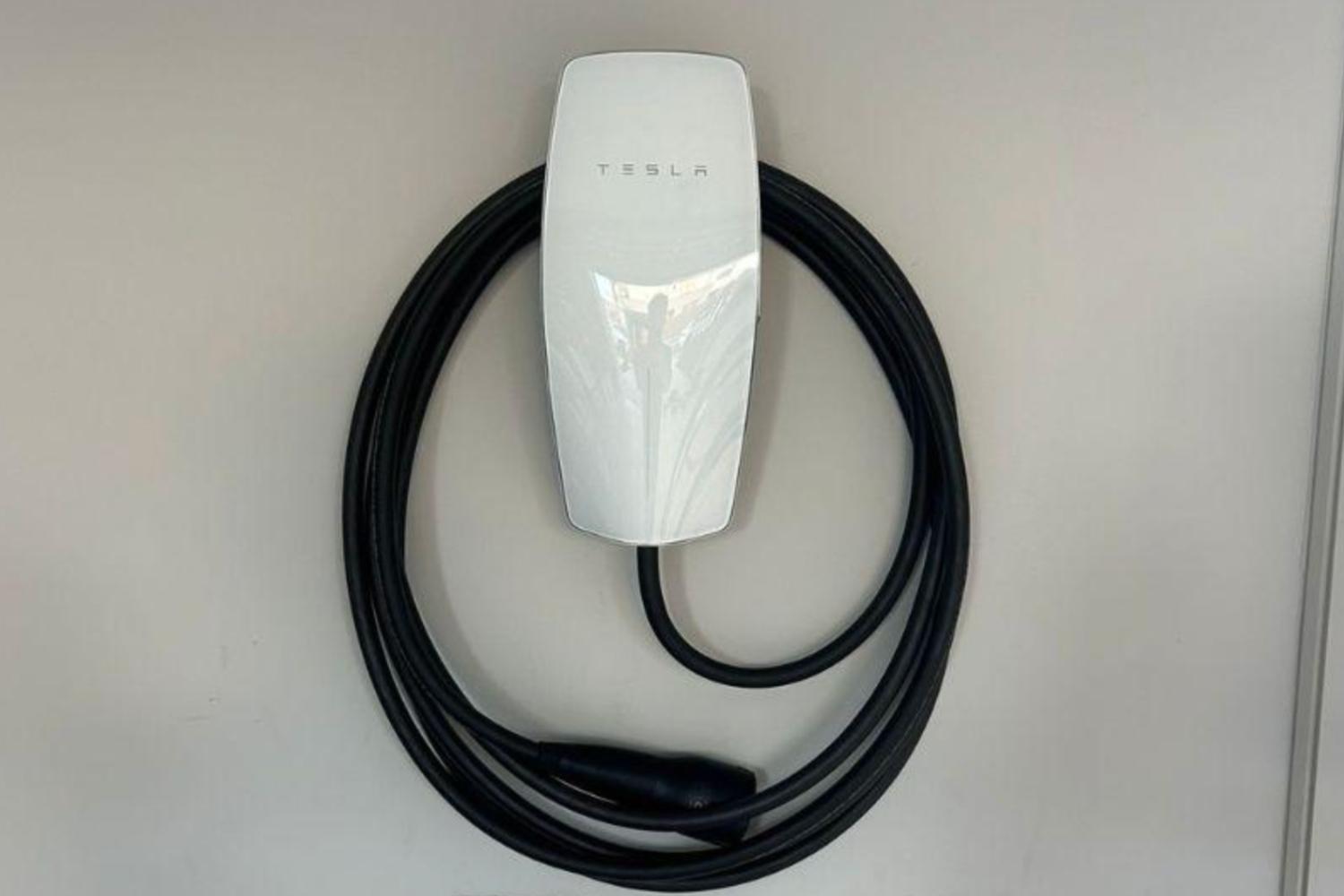
A hardwired charger can run at full power, up to 48 amps on many units, and stays with the house. A plug-in charger on a 50-amp outlet tops out at 40 amps, and you can take it with you.
We install the Tesla Wall Connector and other Level 2 chargers. If you have a Tesla and another EV, we’ll recommend a setup that charges both.
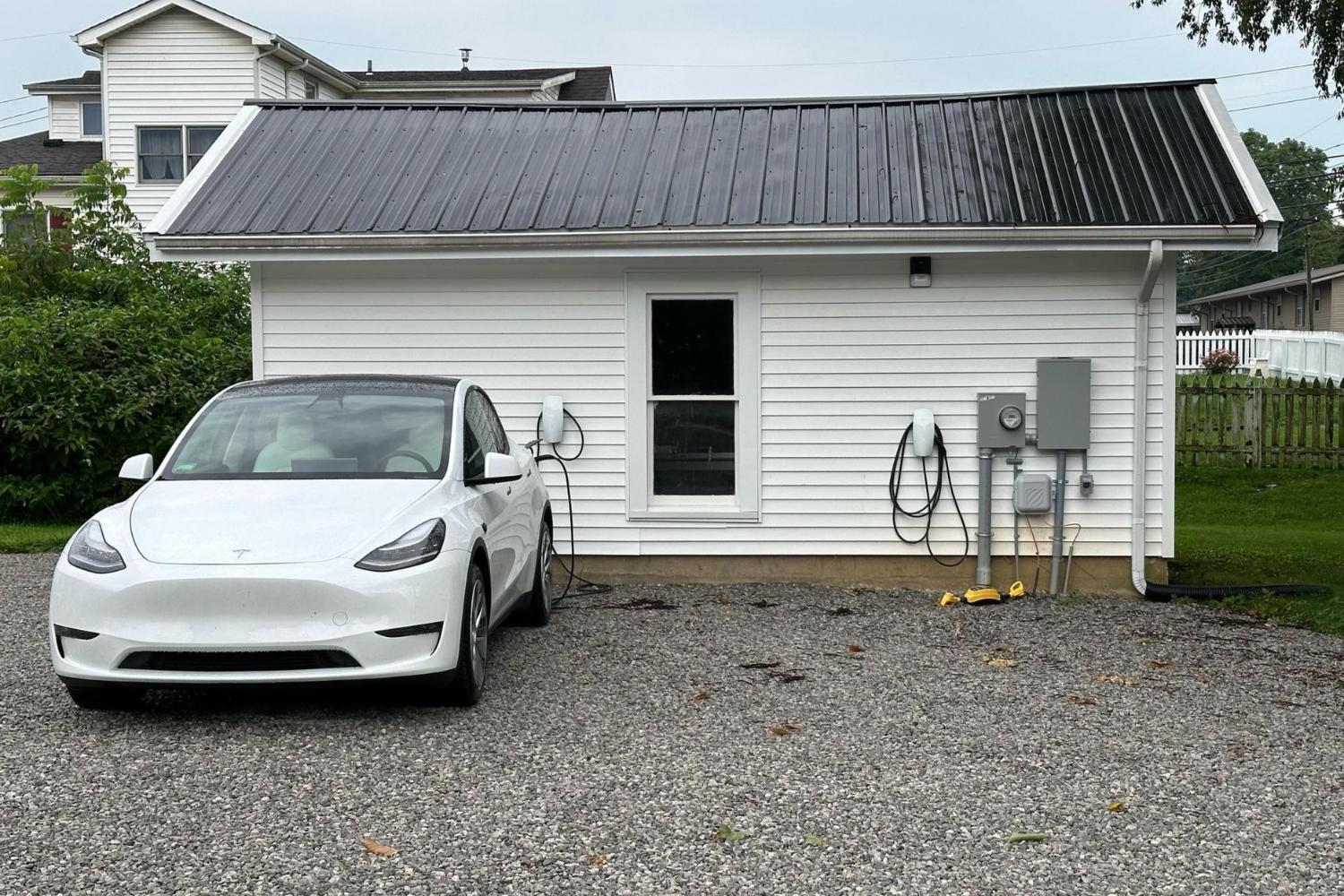
Outdoor installs use a charger rated for outdoor use, and a detached garage needs a longer wire run, sometimes underground. Both go on your quote as their own lines.
HOW IT WORKS
We look at your panel, your service and where you park, and plan the wire route.
Every part of the install is on its own line, so you can see what you're paying for.
We pull the permit, and if your service needs an upgrade, we coordinate it with AES Indiana or Duke Energy.
Once the permit is approved, we schedule your install day and keep you updated while we work.
After the inspection, we test the charger, set up the app and walk you through it.
INCENTIVES
The federal tax credit for home EV chargers ended for chargers installed after June 30, 2026, but utility programs can still help. AES Indiana offers EV rates and has offered a rebate on Wi-Fi-connected Level 2 chargers enrolled in its managed charging program. If you’re with Duke Energy, we’ll check what’s offered for your address and point you to it with your quote.
CHARGERS AND BATTERIES
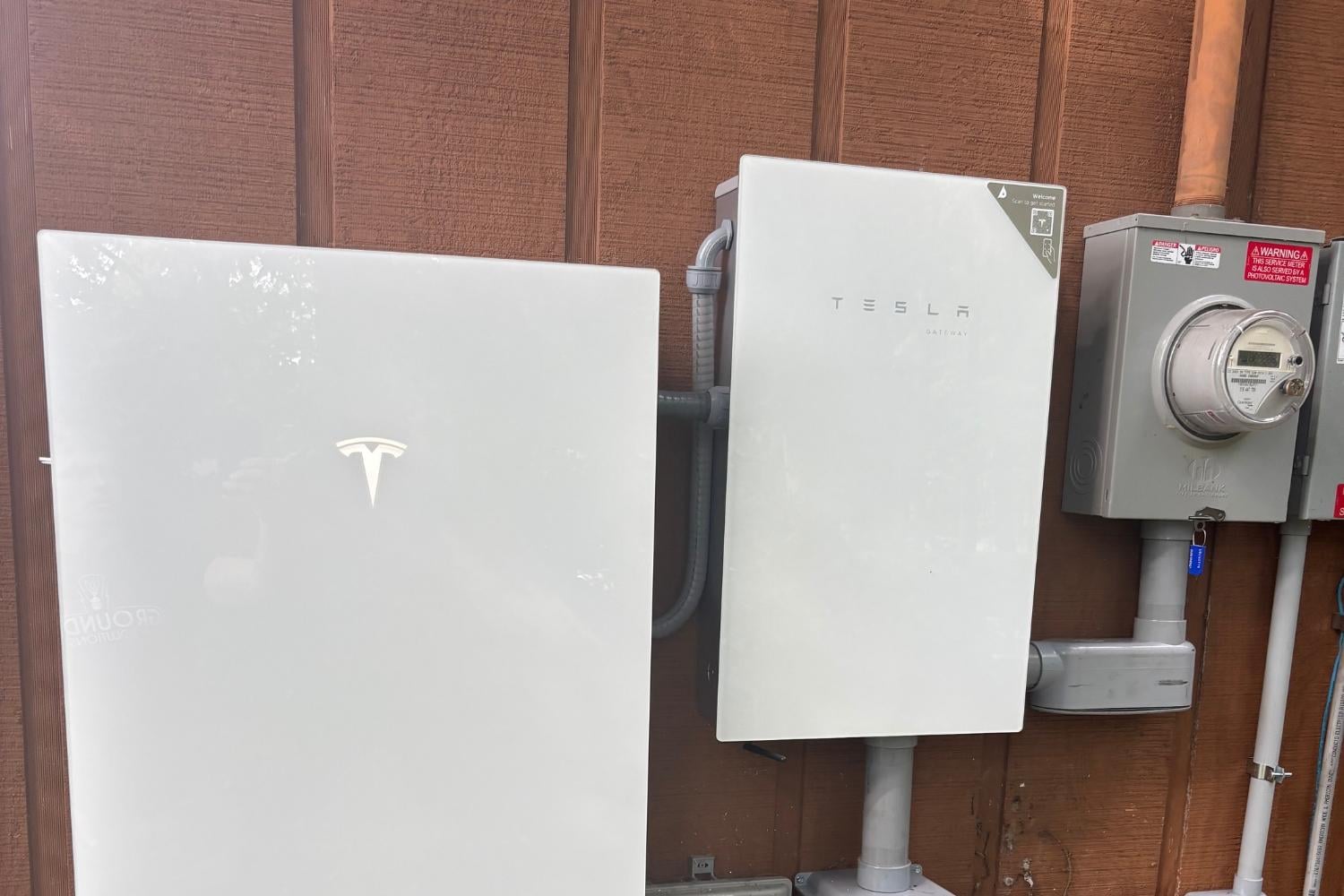
A lot of people who add a charger look at battery storage next. We’re a Tesla Powerwall Certified Installer, and planning both at once means the panel work only happens one time.
We also offer an optional annual inspection for home chargers, and if yours stops working, we’ll troubleshoot it and repair what failed.
FAQ
It depends on the charger, how far it sits from your panel and whether your panel or service needs an upgrade. We check all three on the first visit and list each one on your quote.
Many homes don't. We run a load calculation on the first visit, and if your panel can carry the charger, we'll tell you.
Most installs take a day or less once the permit is approved. A panel or service upgrade adds time, and we'll give you the schedule with your quote.
Yes. We're a Tesla Certified Installer, and we install the Wall Connector along with any panel work it needs.
We’ll set a time to look at your panel and send a quote that breaks the install into line items.